Namibia
Getaway to the land of fire
Namibia offers a timeless journey into the heart of untouched nature. Far from overcrowded parks, it reveals an incredible variety of landscapes from the giant dunes of the Namib to rocky canyons and the vast white salt pan of Etosha. A land of absolute freedom where wildlife has adapted to the most extreme conditions, offering a truly unique spectacle.
Namibia
Ecosystems like nowhere else
Etosha National Park: The Great Dry Pan
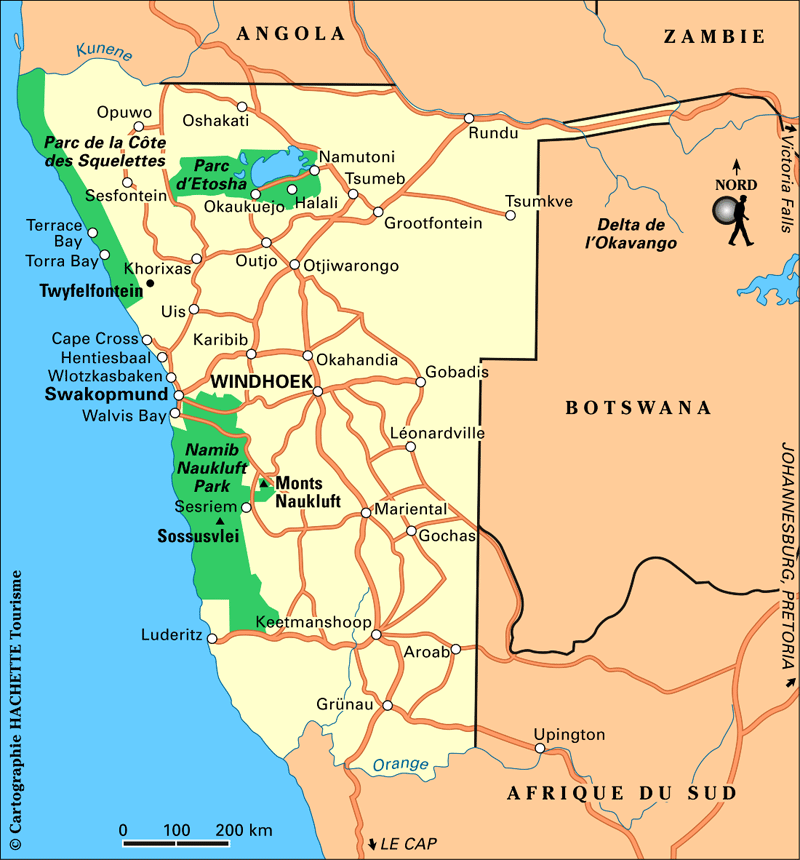
In the north of the country, Etosha National Park is Namibia's most iconic wildlife sanctuary. It revolves around a gigantic white salt pan, so vast it can be seen from space. This unreal setting often gives the wildlife a captivating look, especially the elephants coated in pale dust.
During the dry season, the waterholes become the stage for a striking spectacle. An impressive density of animals comes to drink, including giraffes, zebras, and oryx, alongside lions, leopards, and the rare black rhino. Some of Etosha's camps even feature floodlit hideouts, allowing for night-time viewing without the need for a game drive.
The Namib Desert and Sossusvlei
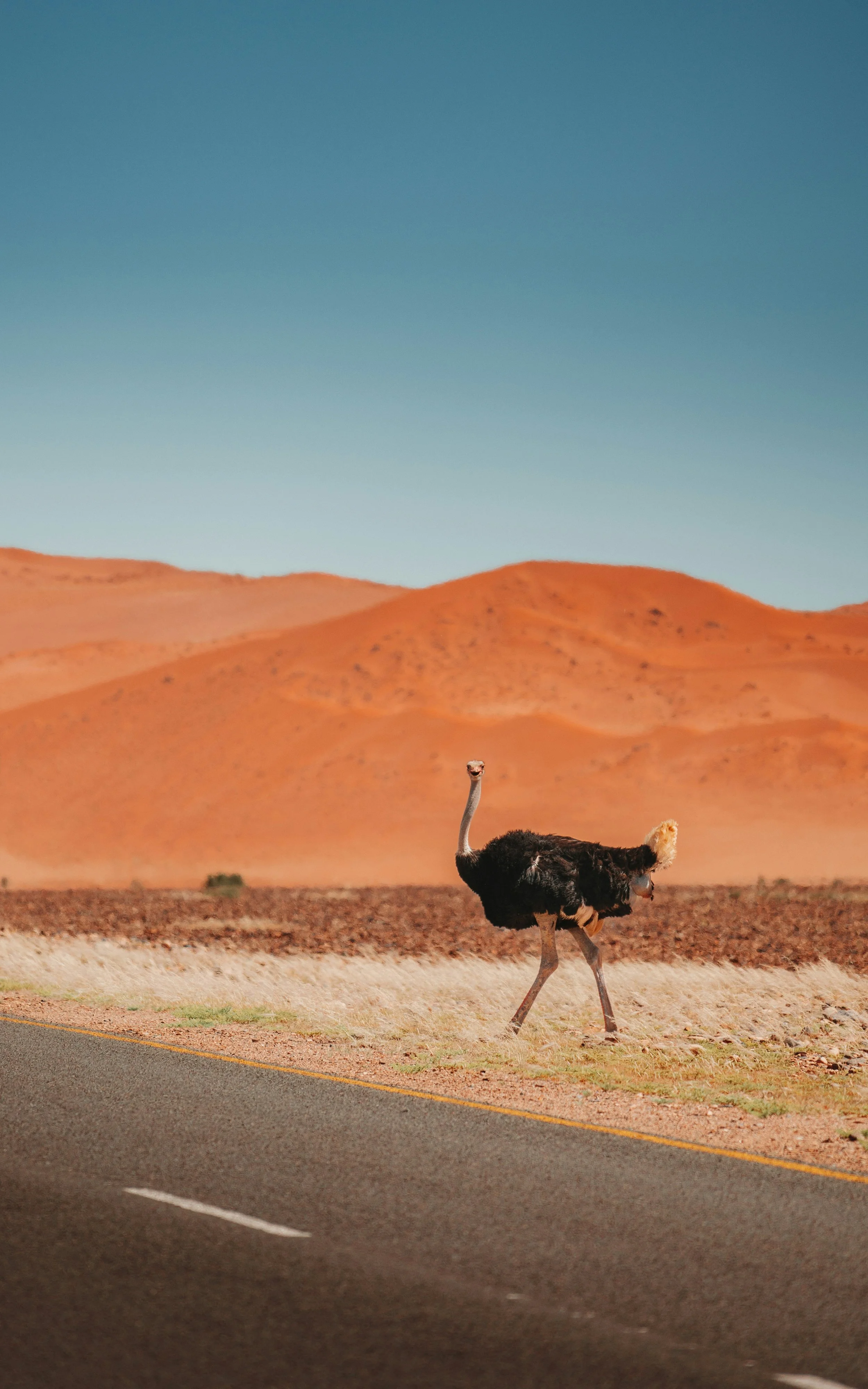
Considered the oldest desert in the world, the Namib is home to the highest sand dunes on the planet. At Sossusvlei, this sea of sand displays breathtaking shades of ochre and crimson, especially at sunrise and sunset when the light highlights the dunes' sharp contours.
At the foot of these dunes lies Deadvlei, a dried-up lake bed that feels completely surreal. Rising from its white clay pan are ancient dead trees, preserved for centuries by the dry desert air, a truly magical sight.
The Skeleton Coast
Stretching along the Atlantic coast in the country's northwest, the Skeleton Coast is undoubtedly Namibia's most mysterious and wild region. It owes its name to the countless whale skeletons that once littered its beaches, as well as the rusted shipwrecks trapped by dense fog and treacherous currents. Where dunes plunge straight into the ocean, this lunar landscape shelters impressive Cape Cross fur seal colonies, drawing in predators, including the rare desert-adapted lions. A desolate landscape, as hostile as it is captivating.
The Caprivi Strip
Located in the far northeast of Namibia, the Caprivi Strip forms a lush green corridor bordering Botswana, Zambia, and Zimbabwe. Crossed by major rivers like the Chobe and the Zambezi, this aquatic oasis contrasts sharply with the arid rest of the country.
The region features luxuriant vegetation and a distinctly different wildlife including hippos, crocodiles, large elephant herds, and hundreds of bird species. It is the ideal stop for a water safari experience by mokoro (dugout canoe) or boat. Beyond its unique scenery, it serves as a perfect strategic gateway to extend your journey into Botswana or marvel at the iconic Victoria Falls on the border between Zambia and Zimbabwe.
Damaraland and Kaokoland : Forgotten Lands
Located in the country’s northwest, these spectacular regions embody Namibia at its most wild and secret. Damaraland reveals a fascinating mineral landscape carved by scorched mountain ranges, dry riverbeds, and the ancient rock engravings of Twyfelfontein. It is home to a unique array of wildlife adapted to arid conditions, most notably the famous desert-adapted elephants and black rhinos.
Further north, Kaokoland offers a feeling of total isolation. Home to the semi-nomadic Himba people, this remote territory features majestic rocky valleys leading all the way to Epupa Falls on the Angolan border.
With Elle Into The Wild, take the time to live in the present moment and reconnect not only with nature, but also with yourself.
Practical information
-
Every season in Namibia offers a unique atmosphere, though the dry season remains the top recommendation for a first trip.
The dry season (May to October)
This is the best time to travel. Daytime temperatures are pleasant, and the lack of rain concentrates wildlife around the few remaining waterholes, guaranteeing spectacular game viewing in Etosha. It is also the ideal period for driving the gravel roads and exploring the dunes under clear skies.
Note: Nights and early mornings can be bitter cold, especially in the desert.
The green season (November to April)
Temperatures rise significantly, and occasional thunderstorms bring fresh greenery to the plains. Photographers love this time of year for its dramatic skies and birdwatching, though intense heat and scattered wildlife can make game drives more challenging.
-
Yes, to travel to Namibia, you must now apply for a visa prior to your trip, which can be done online at: https://eservices.mhaiss.gov.na/
-
Here you can fin the Pasteur Institute’s recommendations for Namibia.